Flutter to Shut Down Betfair in Italy Amid Gambling Framework Changes
1 min read

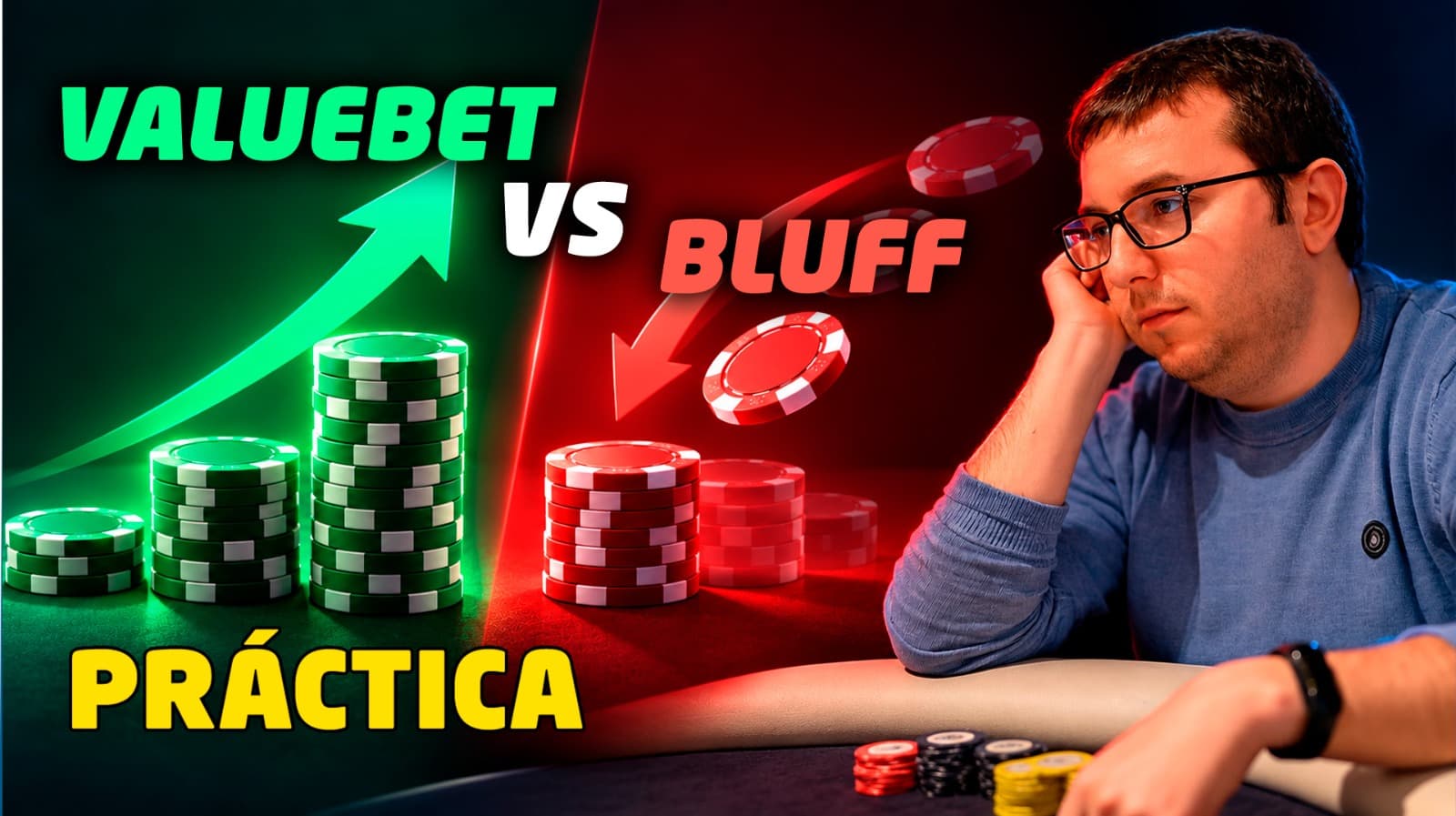
In a new series, 'xRekix' helps poker players make better decisions in every situation and choose the most favorable line. Iker from Spin Project explains how to identify spots where it is advantageous to bluff or protect.
Iker highlights key factors to consider when deciding whether to bluff or not, including the opponent's range, the vulnerability of your hand, the type of table, the opponent's profile, and the strength of your hand. He uses different examples and game situations to make the explanation more practical and applicable.
By understanding these concepts and applying them in real-game scenarios, players can protect their vulnerable hands or create situations where opponents make mistakes, ultimately maximizing their winnings.
Share this article

By
Argus RivenI've spent years at the tables — cash and tournaments — and just as long shaping poker copy behind the scenes: room reviews, bonus fine print, tournament notes. At PokerInsider I write the way I wish more sites would: clear structure, honest trade-offs, no hype. Whether you're new or already grinding, I care about what the offer actually costs you — rake, variance, and the fine print — and I treat responsible play as part of the job, not a footnote.