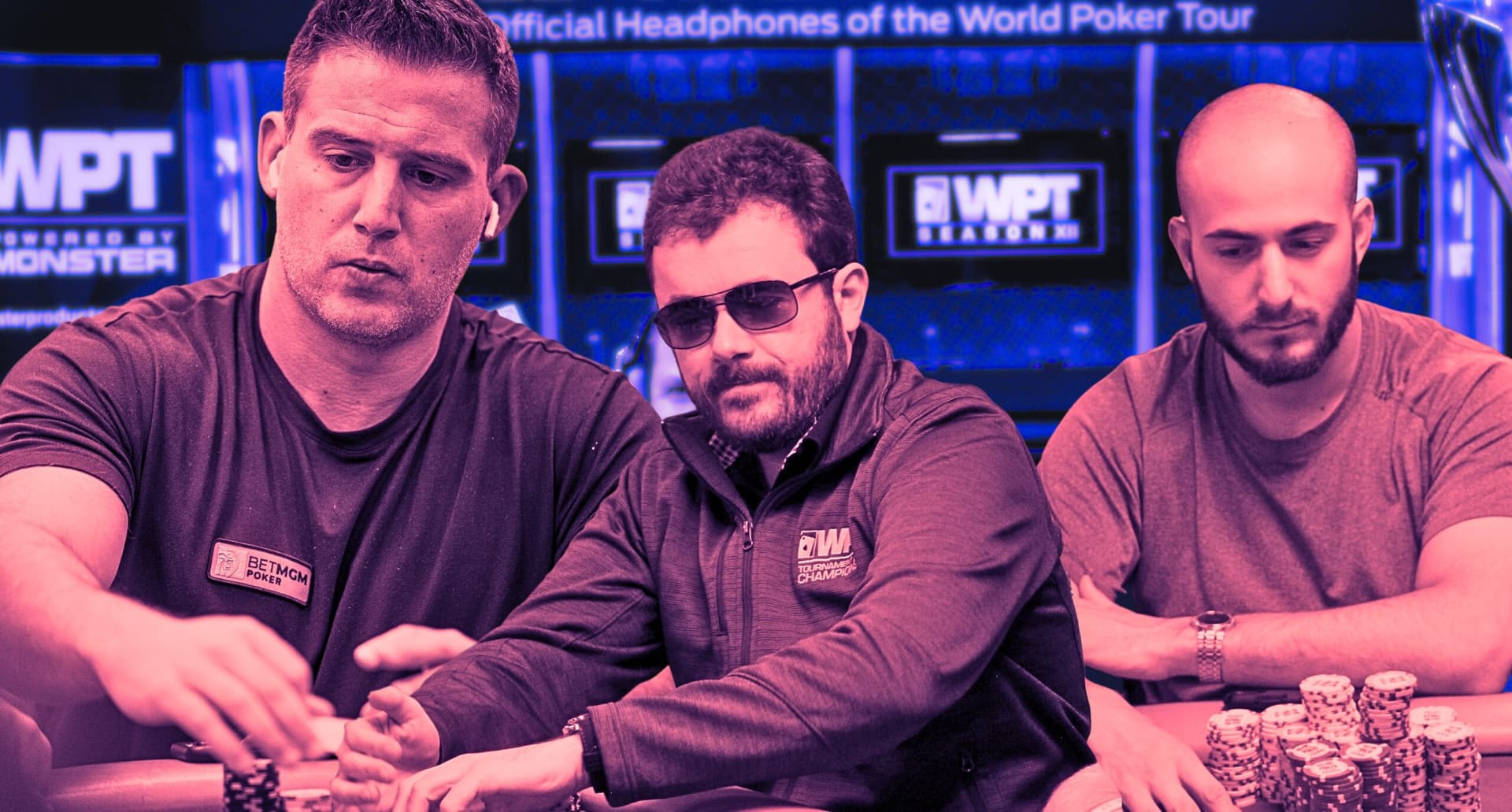
Bo Hoebe Triumphs Over Nacho Barbero in WSOP Circuit Madrid
1 min read

The article was written two years ago. Regular tournaments with high buy-ins are becoming more common in poker rooms. The range of hands for aggressive play is wider at high stakes than at low or medium stakes.
Players at high stakes make fewer mistakes in 3-bet pots. They understand when to go all-in, when to call, and when to 3-bet and play post-flop. In contrast, players at low stakes often make obvious mistakes, such as mini-3-bets with strong hands, over-betting with weak hands, and unnecessary all-ins.
The author prefers to play more aggressively at low stakes and more tight-aggressively at high stakes. At low stakes, the author constantly raises from late positions with a wide range of hands. At high stakes, the author plays in a more tight-aggressive style due to the lower error rate of opponents. Players at high stakes use raises for information and to control the pot size. The bubble phase in high-stakes tournaments sees fewer players folding to aggression.
Share this article

By
Argus RivenI've spent years at the tables — cash and tournaments — and just as long shaping poker copy behind the scenes: room reviews, bonus fine print, tournament notes. At PokerInsider I write the way I wish more sites would: clear structure, honest trade-offs, no hype. Whether you're new or already grinding, I care about what the offer actually costs you — rake, variance, and the fine print — and I treat responsible play as part of the job, not a footnote.