
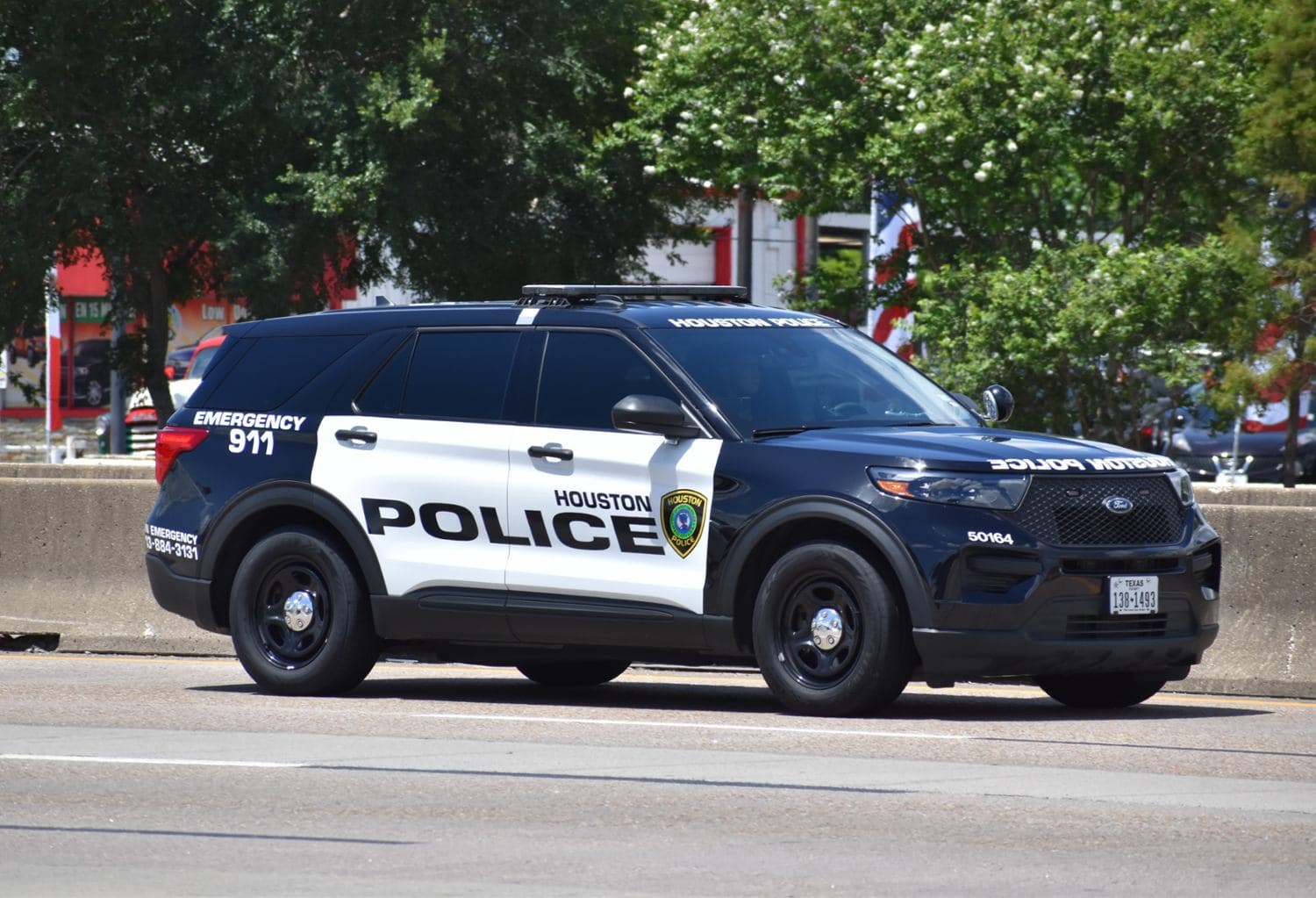
Texas Authorities Raid 21 Locations, Seize $2M in Illegal Gambling Bust
1 min read

The article discusses a scenario in Deuce-to-Seven Triple Draw Lowball where the player has a premium one-card draw (2-3-4-7) and the opponent has 2-5-8. On the first draw, the opponent called the player's bet with a one-card draw of his own, 2-5-6-8. On the second draw, the player caught a ten to make 10-7-4-3-2 and decided to check the turn.
The player has 70% equity against the opponent's 2-5-6-8 with 10-7-4-3-2. The player estimates the opponent's bluffing frequency and decides to call based on the pot odds. The player calculates the expectation against an over-bluffer and finds it to be around 2.43 big bets. The article suggests that it might have been best to break the 10-7-4-3-2 to begin with, given the potential for future exploitation.
In theory, someone is playing perfectly if they bluff at the exact frequency to make us indifferent between calling and folding. From the viewpoint of the in-position player it’s desirable for his image to be aggressive enough that he can under-bluff this particular situation and still collect bets. For example, if he somehow constructs his value to bluffing range in a manner where his opponent has only a 10% chance to win, he’s doing quite well when getting a call on the river. Making Sense Of The Numbers Admittedly, all of these theoretical considerations can get confusing and make one’s head spin. In practice, it’s highly probable that the overall population generally under-bluffs this scenario, and against the majority of opponents your hand might not be best enough of the time to make the call. But it’s somewhat annoying in that you could sometimes be folding the best hand, and observant opponents might think that they can possibly take advantage of you in the future. After all, your hand is relatively face-up, and if you fold in this spot to a somewhat aggressive opponent, an onlooking tight player (who you may have pegged as someone who wouldn’t bluff) may surmise that he ought to also get away with it should the opportunity arise. Therefore, unless you are up against someone you are confident never bluffs, it might have been best to have broken the 10-7-4-3-2 to begin with. While you are taking an equity hit and are out-of-position, your premium draw can expect to recoup some of the shortfall on the river, and on your good days might get several bets in when making the nuts. It’s also a lot more fun than check-folding a 10-low, and sometimes you can further tilt yourself if you decide to rabbit-hunt and discover that you would have caught gin.
Share this article

By
Argus RivenI've spent years at the tables — cash and tournaments — and just as long shaping poker copy behind the scenes: room reviews, bonus fine print, tournament notes. At PokerInsider I write the way I wish more sites would: clear structure, honest trade-offs, no hype. Whether you're new or already grinding, I care about what the offer actually costs you — rake, variance, and the fine print — and I treat responsible play as part of the job, not a footnote.

