
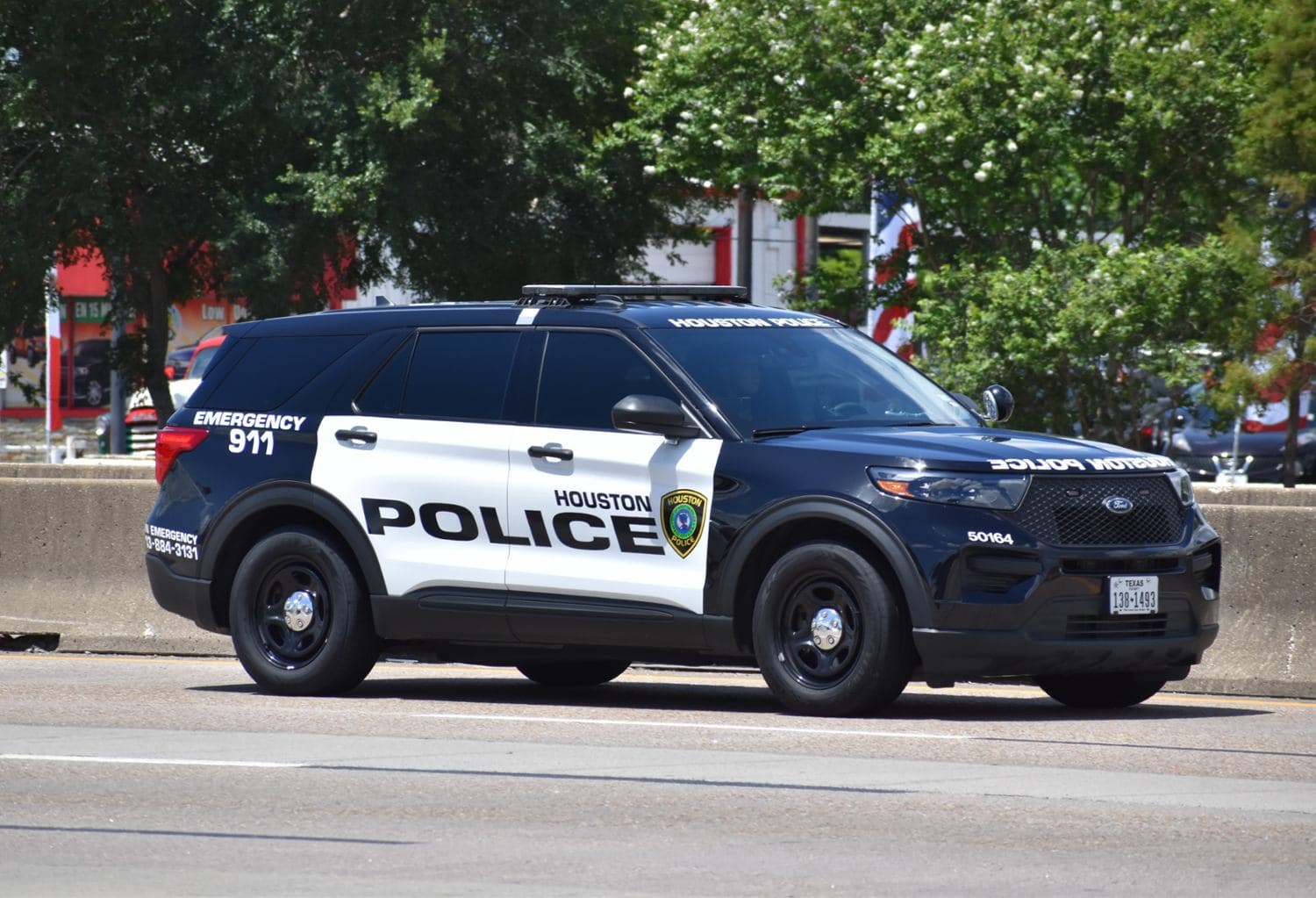
Texas Authorities Raid 21 Locations, Seize $2M in Illegal Gambling Bust
1 min read

The concept of 'range' in poker refers to the set of all hands that an opponent might have at a given point in the game, considering their previous actions. Analyzing and weighing ranges is a crucial part of poker strategy, but it is not an exact science.
When an opponent calls a pre-flop raise, check-raises on the flop, and bets on the turn, you should continuously analyze and calculate their range. The author provides an example of a 6-max NLHE $50/100 game where the player has Qs Js and the opponent has a strong range. The player's initial analysis of the opponent's range includes hands like AQ, KQ, QJs, ATs, KTs, JTs, 9c 8c, 8c 7c, 7c 6c, KJs, J9s, AJ.
The player's final analysis of the opponent's range on the river includes hands like AA, KK, AQ, KQ, 9c 8c, 8c 7c, 7c 6c, KJs, J9s, AJ, with adjusted probabilities. This adjusted range helps in making a more informed decision on whether to call or fold.
Share this article

By
Argus RivenI've spent years at the tables — cash and tournaments — and just as long shaping poker copy behind the scenes: room reviews, bonus fine print, tournament notes. At PokerInsider I write the way I wish more sites would: clear structure, honest trade-offs, no hype. Whether you're new or already grinding, I care about what the offer actually costs you — rake, variance, and the fine print — and I treat responsible play as part of the job, not a footnote.

