Flutter to Shut Down Betfair in Italy Amid Gambling Framework Changes
1 min read

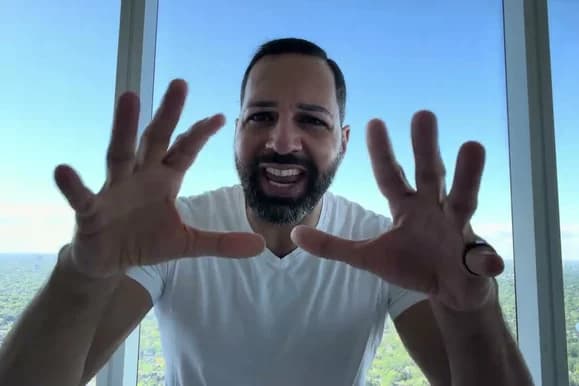
Poker pro Phil Galfond has shared his insights on Game Theory Optimal (GTO) strategy, using various analogies to make complex concepts easy to understand. Galfond describes GTO strategy as a game where he hides a candy in one of his hands, and his son has to guess which hand it is in. If he always hides the candy in the same hand, his son will easily guess and win.
To make it more challenging, Galfond introduces the concept of randomization. He flips a coin to decide which hand to hide the candy in, making it impossible for his son to guess correctly every time. This randomization is a key aspect of GTO strategy, ensuring that the opponent cannot exploit the strategy.
Galfond also explains that in rock-paper-scissors, the ideal strategy is to randomly show rock, paper, or scissors each time. He teaches a simplified poker game called 'Ace, King, Queen' to illustrate GTO strategy further. In this game, Galfond explains that betting with King is not profitable because the opponent will always fold Queen and call with Ace. He discusses balancing bluffs and value bets in poker, ensuring that the opponent cannot exploit the strategy.
Share this article

By
Argus RivenI've spent years at the tables — cash and tournaments — and just as long shaping poker copy behind the scenes: room reviews, bonus fine print, tournament notes. At PokerInsider I write the way I wish more sites would: clear structure, honest trade-offs, no hype. Whether you're new or already grinding, I care about what the offer actually costs you — rake, variance, and the fine print — and I treat responsible play as part of the job, not a footnote.