Flutter to Shut Down Betfair in Italy Amid Gambling Framework Changes
1 min read
Poker has changed rapidly in recent years, with software like game theory optimal (GTO) solvers becoming widely accessible. These tools can calculate equity in mere seconds, and hand trackers record decisions automatically. Training sites break down spots that many players would never think to study on their own.
Solvers like PioSolver and GTO+ run large numbers of hand scenarios and return strategies that are built to be difficult to beat. They show how often a balanced range should bluff, call, or fold in a given spot. Just plug in the board texture, stack depth, and bet size, and the software gives you the line the math supports. The idea behind 'balanced' play is often described as game theory optimal (GTO), or a strategy that is difficult to exploit if opponents also play well.
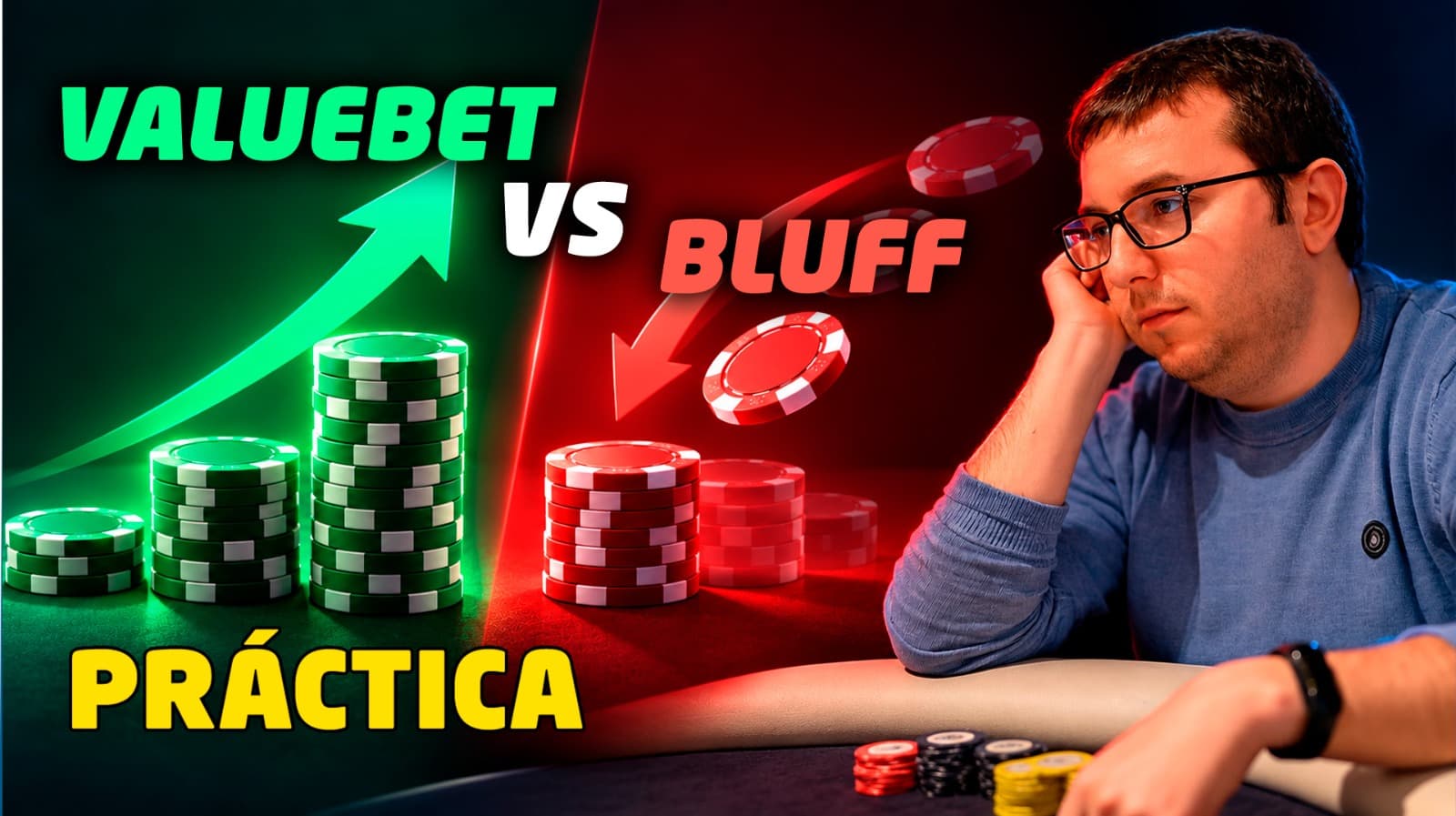
However, live poker experience still plays a crucial role. A solver assumes strong play from the other side, but most opponents don't play that way. In practice, the right decision often depends on what one specific player keeps doing. If someone folds too often to continuation bets, bluffing more often beats staying perfectly balanced. If someone calls down too lightly, thinner value bets matter more than maintaining the right bluff ratio. There's also information a solver can't process in the moment, such as timing and physical behavior.
Multi-way pots are a good example of spots that still resist tidy solver answers. Once three or four players see a flop, the collision between several hand ranges gets harder to model well. Even when a model exists, it may be too slow to process or too tangled to help with a live decision. Tournament poker adds another wrinkle with Independent chip models (ICM) estimating how tournament chips translate into actual payout value, which changes the logic of ordinary decisions.
GamblingSites.com educational poker content covers building blocks such as bankroll management, position awareness, and disciplined decision-making. These ideas help players understand why a line works, not just what a solver output tells them to do. Many high-stakes pros spend hours reviewing solver outputs until certain patterns feel familiar. During actual play, they collect information on specific opponents and step away from theory when the situation supports it.
Share this article

By
Argus RivenI've spent years at the tables — cash and tournaments — and just as long shaping poker copy behind the scenes: room reviews, bonus fine print, tournament notes. At PokerInsider I write the way I wish more sites would: clear structure, honest trade-offs, no hype. Whether you're new or already grinding, I care about what the offer actually costs you — rake, variance, and the fine print — and I treat responsible play as part of the job, not a footnote.